
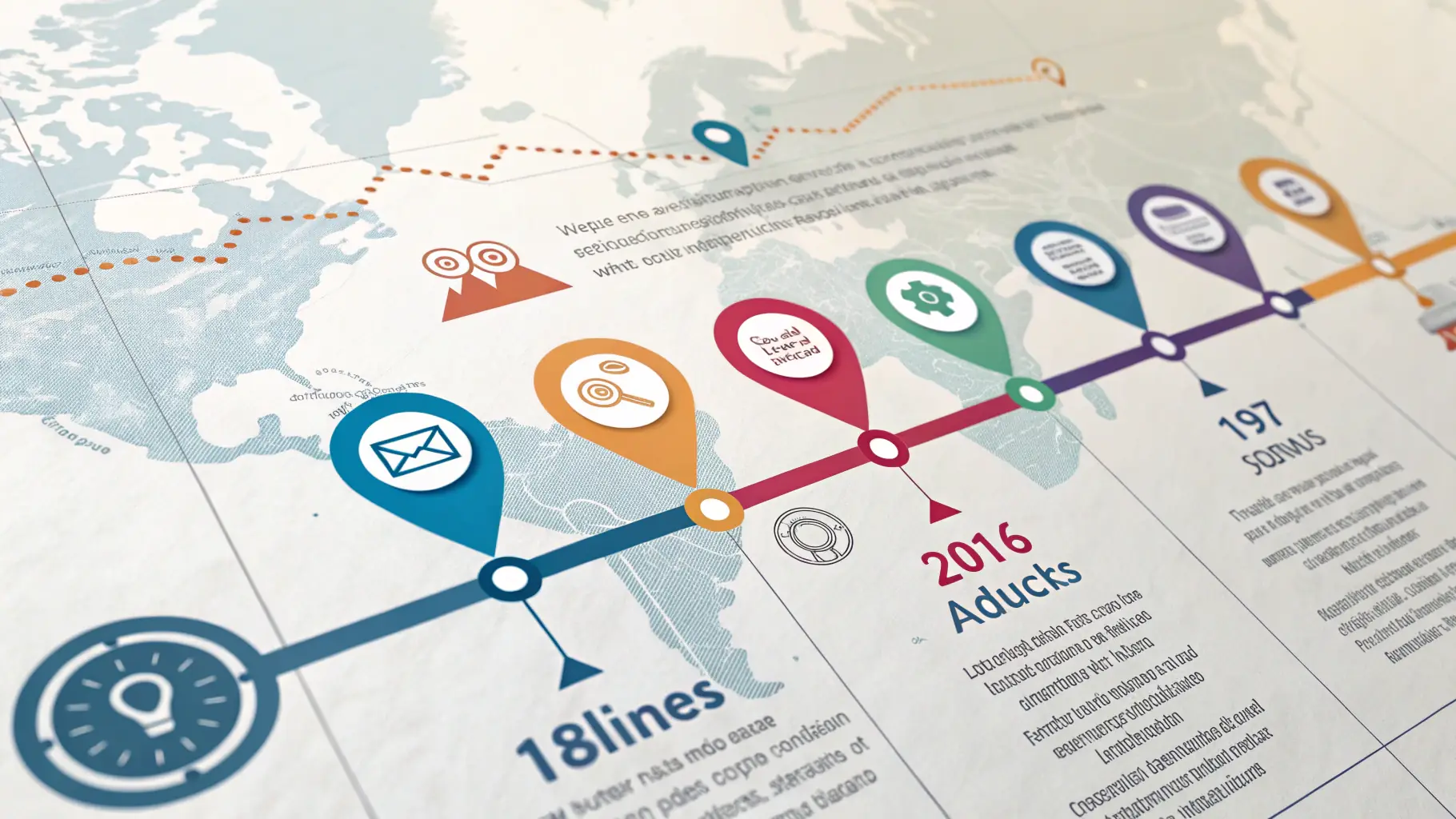
The data science landscape is constantly shifting, with new tools, techniques, and applications emerging regularly. Understanding these trends is vital for professionals seeking to advance their careers and stay relevant in the industry. This evolution is driven by the increasing volume and complexity of data, the need for faster insights, and the demand for more sophisticated analytical solutions. Data scientists need to adapt to these changes to remain competitive. One key trend is the growing importance of cloud-based data science platforms. These platforms offer scalability, accessibility, and cost-effectiveness, making them attractive for both individuals and organizations. Another significant trend is the increasing use of artificial intelligence (AI) and machine learning (ML) in data science applications. AI and ML algorithms are being used to automate tasks, improve predictions, and gain deeper insights from data. This trend is transforming various industries, from healthcare to finance. Furthermore, the demand for data scientists with strong communication and collaboration skills is on the rise. Data scientists are increasingly expected to communicate their findings effectively to non-technical audiences. This requires strong storytelling and presentation skills, as well as the ability to work effectively in teams. Finally, the need for ethical considerations in data science is becoming more prominent. Data scientists must be aware of the potential biases in data and the ethical implications of their work. This includes ensuring data privacy, avoiding discrimination, and promoting responsible use of data.
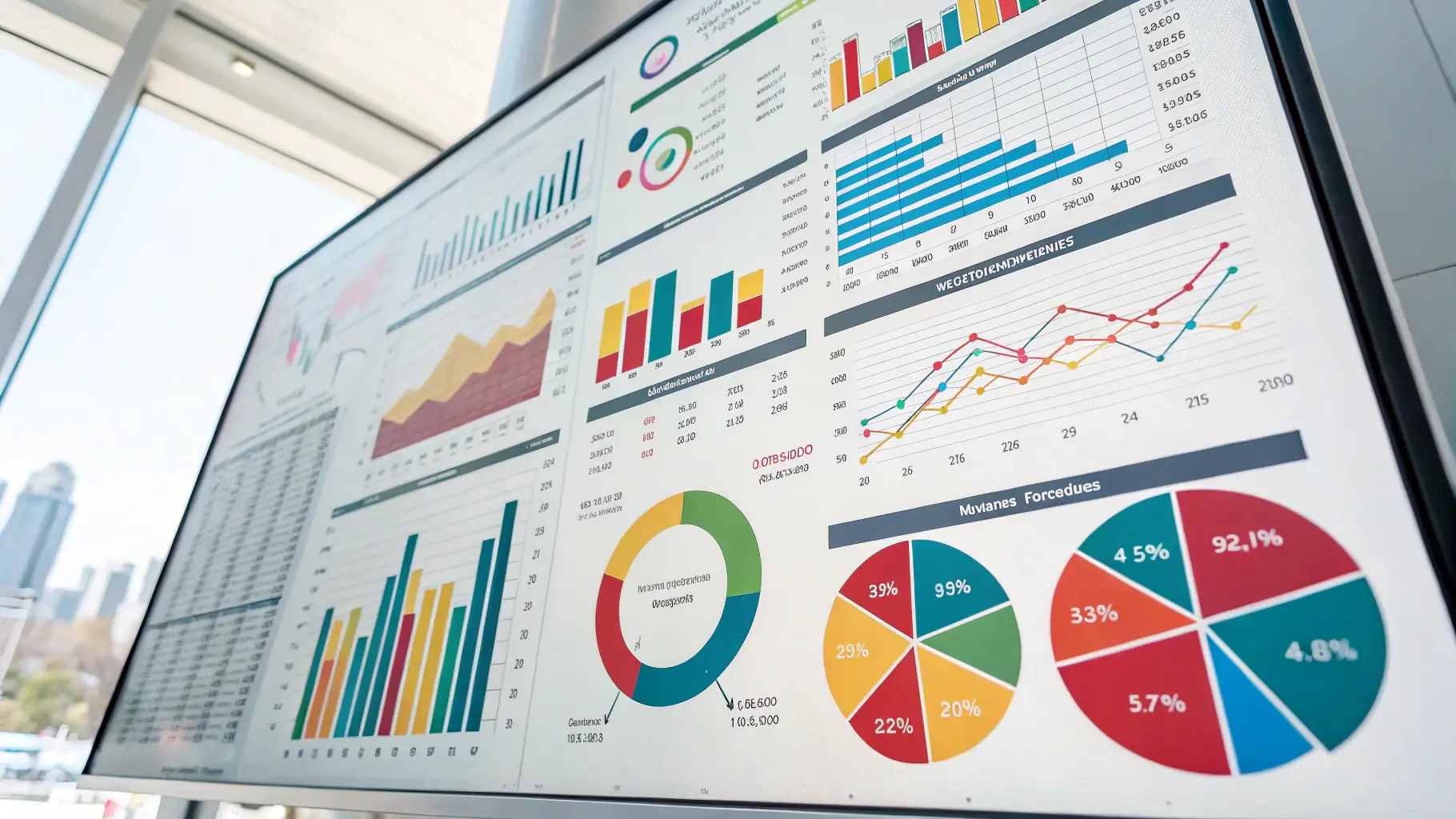
The Rise of R in Data Science: A Statistical Powerhouse
R is a powerful statistical programming language widely used in data science for statistical modeling